
1. The Mega-Merger That Reshaped the Industry
In late April 2026, Finnish elevator maker KONE announced a deal to acquire TK Elevator (TKE) for approximately USD 34 billion (EUR 29.4 billion). Analysts described the transaction as reshaping the global elevator and escalator industry, creating a combined company that positions itself as the world's largest lift maker by volume. Commentators have called it a deal that will transform the lift industry, with particular attention to the consolidation push into the US market.
Why it matters for parts buyers: whenever OEMs merge, model portfolios, spare part numbering systems and service channels get consolidated. Independent importers and maintenance companies often benefit: demand shifts toward compatible, third-party components that keep older installations running at a fraction of OEM cost. If you are planning a purchase of elevator parts in the coming quarters, it is worth checking which OEM generation your target parts belong to and whether the new group is phasing them out.
2. Modernization Is the New Growth Engine

New equipment sales remain cyclical, but elevator modernization is now the reliable growth engine across Europe and North America. Otis - one of the world's largest elevator and escalator companies - introduced its Gen3 elevator modernisation solutions across EMEA in 2026 and launched flexible elevator modernization packages for North America. The same push is visible in public transport: Otis was selected for a major escalator modernization program across the London Underground network.
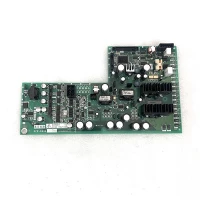
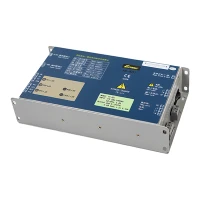
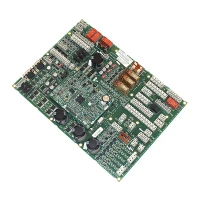
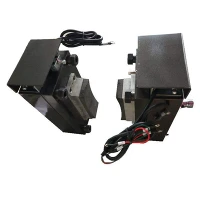
Modernization typically replaces or upgrades the control system, door operator, traction machine, safety gear and car operating panels - exactly the product families that dominate the elevator spare parts trade. For parts suppliers, the practical implication is simple: stock and quote modernization-compatible components (control boards, door operators, encoders, contactors, safety switches), not just generic wear parts. Otis reported first-quarter 2026 results on April 22 and second-quarter 2026 results in July, with a 5% dividend increase to USD 0.44 per share announced in the spring - a sign that service- and modernization-led revenue is holding up even as new-installation demand cools.
3. Connected Elevators and Predictive Maintenance Go Mainstream

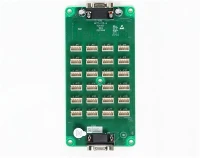
Digital service is no longer a side project - it is a core commercial strategy. A major OEM took a majority stake in WeMaintain, a service-technology company, to accelerate connected service and predictive maintenance. IoT retrofit kits, remote monitoring gateways, sensors and communication modules are increasingly specified in maintenance contracts and modernization tenders. For parts traders, this opens a fast-growing niche: sensors, door-contact switches, limit switches, encoders and controller communication boards that turn legacy elevators into connected assets.
4. Data Centers Open a New Demand Channel
Artificial intelligence and cloud infrastructure are pulling in a surprising customer base: heavy-duty freight and passenger elevators for data centers. A dedicated heavy-duty elevator range for data centers and mission-critical infrastructure was launched in 2026. Data-center construction is booming across Europe and North America, and every facility needs high-capacity vertical transport with redundant, easily replaceable components. This is a growing B2B niche where reliable spare parts supply - from door systems to hydraulic and traction components - commands premium margins.
5. Sustainability, Accessibility and Aging Populations
Environmental performance is increasingly part of elevator purchasing criteria. Energy-efficient drive systems, LED cab lighting, regenerative drives and standby modes are now standard talking points in modernization proposals. Industry leaders now regularly appear on global sustainability rankings, and a 2026 design award went to an elevator model created for accessible senior living.
At the same time, accessibility is driving residential demand. In Australia, modern lifts are becoming an essential feature of new homes, reflecting the same demographic logic. Home elevators and platform lifts - and their spare parts - are a quietly growing segment from Australia to North America.
6. Market Size at a Glance
|
Metric |
Figure |
|
Global elevators & escalators market |
USD 114.88 billion by 2031 |
|
Global elevator & escalator market |
USD 207.67 billion by 2035 |
|
North America elevator & escalator market |
USD 36.62 billion by 2035 |
|
Global market CAGR to 2032 |
2.4% |
Two more 2026 data points complete the picture. In the United States, the aftermarket itself is consolidating: Elevator Service, Inc. acquired East Elevator to enter the Chicago market (August 2026), and analysts described a leading elevator company as a defensive play in a volatile market.
7. What This Means for Elevator Parts Buyers and Suppliers
Read together, the 2026 signals point in one direction for the elevator spare parts trade:
Modernization components are the highest-growth category. Control systems, door operators, traction machines and safety components for retrofit projects should be at the top of your sourcing list.
OEM consolidation favors independent suppliers. The KONE-TKE combination will inevitably streamline overlapping part numbers; maintenance firms will look for compatible, quality-certified alternatives.
Connected retrofit parts are a differentiator. Sensors, gateways and communication modules turn a commodity parts catalog into a value-added offer.
Certification matters more than ever. EN 81 (Europe) and ASME A17.1 (North America) compliance is a baseline requirement for modernization parts; buyers should verify certificates before ordering.
Lead time and stock depth decide the order. With modernization projects running on tight building schedules, suppliers who can deliver door systems, controllers and safety parts quickly win the tender.
Whether you are modernizing an aging building in Germany, upgrading a hospital lift in the United States, or maintaining a fleet in Australia, the same rule applies in 2026: the parts market is shifting from "replace what breaks" to "modernize and connect what exists" - and suppliers who move with that shift will capture the growth.